Back Pain Embroidery Design Review
A First Look at Back Pain
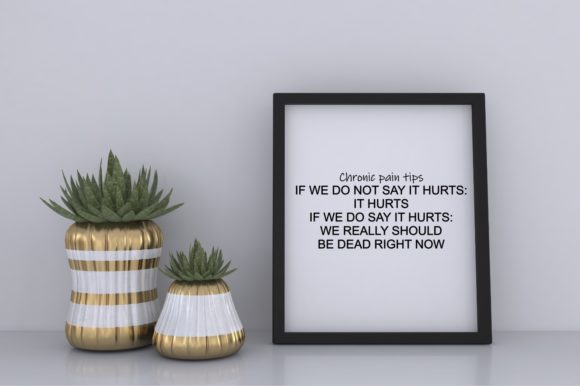
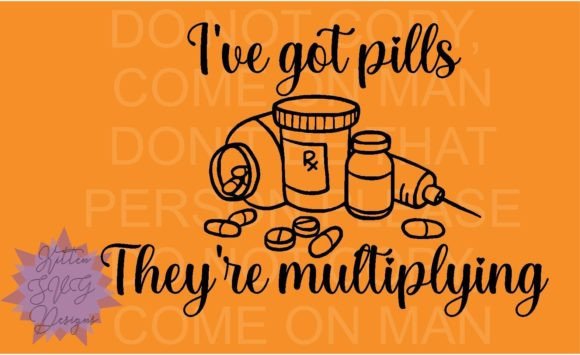
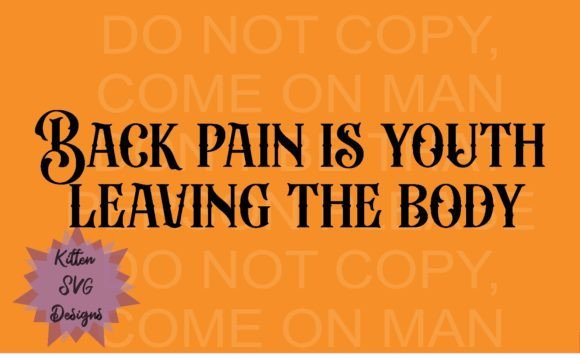
When I first opened the Back Pain embroidery design, I was struck by its bold and unapologetic mood. The imagery feels raw, almost like a visual expression of frustration—perfect for those who want to turn their struggles into something creative. The layout is simple but impactful, with clean lines and a focus on negative space that gives it an almost minimalist edge.
The theme leans into the idea of chronic illness as a part of identity, which makes it feel personal and relatable. It’s not a design that shies away from emotion, and that’s exactly what makes it stand out. The detail level is moderate, so it works well for both quick projects and more detailed embroidery work.
How Back Pain Performs in Real Projects
If you're thinking about using Back Pain on a custom embroidered tote bag or sweatshirt, it's important to consider how the design translates to fabric. The shape and layout are versatile enough to sit comfortably on a variety of surfaces, including curved caps and flat aprons. It doesn’t scream for attention, but it has presence—just right for a handmade product that wants to make a statement without being overwhelming.
For custom apparel, especially items like t-shirts or baby clothes, the design could be a great conversation starter. It adds character and personality, making it ideal for Etsy sellers or small shop owners looking to offer unique personalized gifts. When paired with the right thread colors and stabilizer, it can look professional even on dark fabrics.
On embroidered patches, Back Pain would shine. Its simplicity allows it to stand out without needing too much embellishment. It’s also a good fit for holiday embroidery or nursery decor if used in a more subtle way, such as a small version on a pillow cover or tea towel.
However, keep in mind that this design isn’t perfect for every project. For instance, if you’re working on a tote bag design with a textured fabric or a stretchy material, the image might lose some of its clarity. Similarly, placing it on a curved surface like a cap requires careful planning to ensure the proportions remain balanced.
Where to Use Back Pain with Caution
Back Pain should be approached carefully when working with small hoop sizes, thin fabric, or dark fabric backgrounds. The details might get lost if the stitch density is too low, and the contrast between the design and the fabric could affect the overall appearance. If you're using it for commercial embroidery or craft business products, testing it on scrap fabric first is always a smart move.
Also, avoid using this design on layered garments or products that need frequent washing, as the stitching may wear out over time. For handmade products, ensuring proper stabilizer use is essential to maintain the integrity of the design.
Design Notes for Embroidery Professionals
Before jumping into your next project, take a few minutes to test Back Pain on scrap fabric. Check the thread color contrast and see how it looks under different lighting conditions. If you're creating a printable mockup or digital product preview, review the stitch density and make sure it aligns with your brand's style.
Consider whether the design works for both personal and commercial projects. If you're an Etsy seller or running a small shop product line, confirm the licensing terms before selling any finished items or digital embroidery files. This will help protect your business and ensure compliance with the original designer's guidelines.
Lastly, don't forget to compare the design in black and white mockups. This helps identify how well the details translate across different fabric types and ensures that the embroidery project maintains its visual appeal regardless of the final finished product.
Final Thoughts on Back Pain
Back Pain is a strong design that speaks to a specific audience. It has a clear visual personality and can be a powerful addition to handmade products or personalized gifts. However, like any machine embroidery design, it needs to be handled with care depending on the application.
If you're an embroidery designer, apparel decorator, or craft business owner, Back Pain could be a great asset to your collection—if used thoughtfully. It’s not a one-size-fits-all design, but it has the potential to add depth and meaning to the right project.