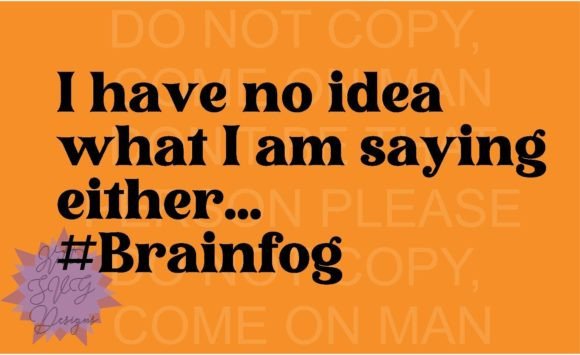
Brainfog Embroidery Design Review
First Impressions: Mood and Visual Personality
When I first opened the Brainfog embroidery design file, I was struck by its bold, expressive character. The imagery immediately communicates a sense of struggle and resilience, making it a powerful visual for those who live with chronic illness or pain. It's not just a graphic—it feels like a statement. The layout is clean but layered enough to convey depth, and the details are subtle yet meaningful. This kind of design naturally belongs in projects that aim to tell a story or express an emotion.
The theme of Brainfog resonates well with personal and handmade items. It would fit beautifully on a custom sweatshirt or tote bag, where the message can be seen up close. The design has a strong visual presence without being overwhelming, which makes it versatile for different applications.
Real-Life Scenario: Custom Tote Bag Project
Let’s imagine using Brainfog on a custom embroidered tote bag. As a designer, I’d consider how the image translates from screen to fabric. The lines are clear, and the composition holds up well under stitch density. On a medium-weight cotton fabric, the design would look crisp and professional. I could see this becoming a popular item for Etsy sellers or small shop owners looking to offer personalized gifts with a meaningful twist.
However, I'd test it on scrap fabric first. Checking thread color contrast is important—especially if the final product uses dark fabric. A light-colored thread might lose impact on a black tote, so considering alternatives or adjusting the design slightly could enhance visibility.
Also, stitch density plays a role in how the design looks after embroidery. If the image is too dense, it might feel cluttered or stiff on fabric. I’d review the stitch count and ensure the design doesn’t require excessive layers of fill stitches that could affect the fabric’s drape or comfort.
Where Brainfog Shines Best
Brainfog works exceptionally well for custom apparel, sweatshirts, tote bags, and personalized gifts. Its visual strength makes it ideal for handmade products that aim to communicate a message. For example, a holiday gift featuring this design could resonate deeply with someone going through a tough time. It also fits well as part of a boutique branding collection or a craft fair product aimed at conscious consumers.
The design has enough detail to be engaging but isn’t overly complex. That means it should work well on embroidered patches, pillow covers, or even kitchen towels. For commercial embroidery, it’s a good candidate for small shop merchandise or Etsy listings that focus on emotional expression and personal storytelling.
Areas to Approach with Caution
While Brainfog is visually compelling, there are some limitations to be aware of. On small hoop sizes, parts of the design may get lost or appear incomplete. If you're working on a cap or hat, the curved surface might distort the image unless the design is specifically adapted for such use.
For textured fabrics or thin materials, the design may not stitch as cleanly. Using the right stabilizer is essential here to prevent puckering or distortion. Similarly, if the final product will be frequently washed, I’d recommend testing the durability of the stitching on a sample piece before committing to a full run.
Detailed corners and tiny lettering could also be tricky depending on the machine settings and thread choice. If the design includes intricate elements, a higher-quality needle and proper tension settings will help maintain clarity.
Design Impact on Product Value and Customer Perception
The emotional resonance of Brainfog can elevate the visual appeal of any project it's used on. Whether it's a personalized gift or a small shop product, customers will likely appreciate the thought and intention behind the design. This can build customer trust and increase buyer engagement, especially for craft business owners targeting niche markets.
For digital embroidery files used in printable mockups, the design’s clarity and adaptability make it a strong asset. It maintains its integrity across different backgrounds and scales well for design assets that need to be used in various formats.
As a designer, I’d also consider how the brand consistency of a product line might be affected. If Brainfog is part of a larger collection, ensuring it aligns thematically with other designs will help maintain a cohesive brand identity.
Practical Embroidery Designer Notes
Before using Brainfog in any embroidery project, take the time to test the design on scrap fabric first. Check thread color contrast against your intended fabric background. Review stitch density and adjust if necessary to avoid stiffness or distortion.
Confirm the hoop size required and ensure you have the appropriate stabilizer on hand. Inspect small details and consider whether the design works for both personal and commercial projects. Always check licensing terms before selling any finished items or digital products based on this design.
Testing in black and white mockups can also help assess how the design performs on light and dark fabric backgrounds. This ensures the final finished product meets expectations and delivers the intended visual impact.