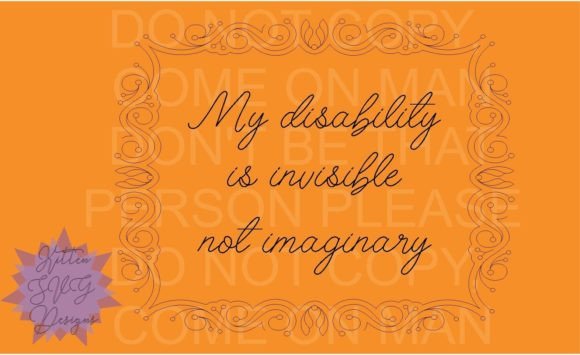
Disability is Invisible Not Imaginary Embroidery Review
First Impressions of the Design
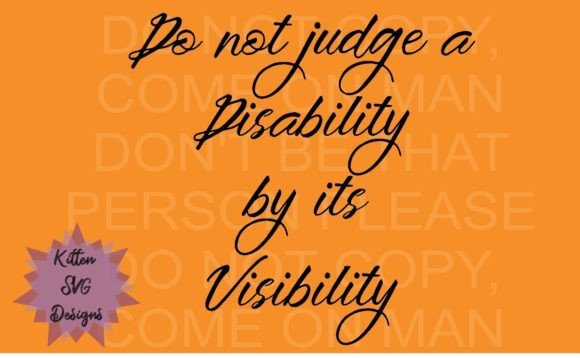
When I first opened the Disability is Invisible Not Imaginary embroidery file, I was struck by its emotional depth and visual clarity. The design carries a strong message with a thoughtful layout that balances bold typography with subtle imagery. It feels like a statement piece, perfect for those who want to wear their values proudly.
The mood it creates is both empowering and empathetic. It’s not just a graphic—it’s a conversation starter. The theme of visibility in disability resonates deeply, making this a powerful choice for custom apparel or personalized gifts. The layout is clean and centered, which makes it ideal for embroidered patches, tote bags, and even baby clothes where simplicity and impact are key.
Real-Life Embroidery Use: A Custom Tote Bag Scenario
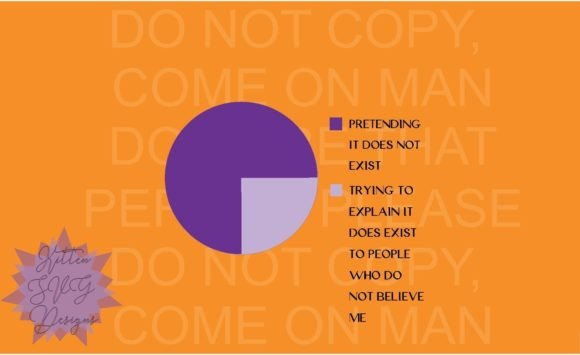
Let’s imagine using this design on a custom embroidered tote bag. As an embroidery designer, I always consider how a design translates from screen to fabric. Disability is Invisible Not Imaginary has enough detail to be visually engaging without overwhelming the fabric. The text is legible, and the accompanying imagery adds context without distracting from the main message.
For a tote bag, I’d recommend using a medium hoop size—probably around 5x7 inches. This would allow the full design to be stitched without stretching or distorting the fabric. The stitch density is moderate, which means it should handle well on most fabrics, especially if paired with a good stabilizer.
I can see this design working beautifully on cotton canvas or denim, as these materials hold up well under stitching. However, if you're planning to use it on stretchy fabrics like knits or jerseys, be sure to test it on scrap fabric first. Stretchy materials can cause the design to shift during stitching, so proper stabilizer use is essential.
Where This Design Shines
Disability is Invisible Not Imaginary is versatile enough to work across multiple embroidery projects. Here are a few scenarios where it stands out:
- Custom Apparel: Sweatshirts, t-shirts, and hoodies with this design make for powerful personalized gifts or boutique merchandise.
- Embroidered Patches: The design’s central focus makes it a great candidate for patches, whether used as lapel pins or pinned onto jackets.
- Tote Bags: As discussed earlier, this design fits perfectly on tote bags, adding a meaningful touch to everyday carry items.
- Baby Clothes: If you’re designing for a craft business or Etsy shop, this design could be adapted into baby onesies or bibs with a softer, more playful version of the text.
- Holiday Gifts: For holiday embroidery, this design could be reimagined with seasonal accents while keeping the core message intact.
It’s also worth considering how this design might look in different color palettes. While the original uses a strong black-and-white contrast, experimenting with thread colors could add new dimensions to the message. Just be mindful of how thread colors interact with fabric texture and light.
Design Considerations for Commercial Use
If you're an Etsy seller, craft business owner, or small shop product creator, it's important to evaluate how this design will translate across different products. For example, using it on dark fabrics may require adjusting the thread colors for better visibility. Similarly, if you're selling digital embroidery files, make sure to include clear instructions about recommended hoop sizes, stabilizers, and fabric types.
Another thing to keep in mind is licensing. Since the product description doesn’t specify whether the design is royalty-free or requires attribution, it’s best to confirm the usage rights before selling any finished products or digital assets based on this design.
Practical Embroidery Designer Notes
Here are some practical steps to ensure Disability is Invisible Not Imaginary performs well in real-life embroidery situations:
- Test on Scrap Fabric: Always do a test run on scrap fabric before committing to a final product. This helps identify any potential issues with stitch density or fabric compatibility.
- Check Thread Color Contrast: Ensure the thread colors chosen for the design stand out against the fabric background. Darker threads may be necessary for lighter fabrics, and vice versa.
- Review Stitch Density: High-density areas may require a stabilizer to prevent puckering or distortion. This is especially important for delicate or stretchy fabrics.
- Confirm Hoop Size: Make sure the hoop size matches the design dimensions. A too-small hoop can lead to distortion, while a too-large hoop may leave unnecessary empty space.
- Inspect Small Details: Look closely at the design for tiny lettering or intricate details. These can be lost in translation if not properly scaled or adjusted for the fabric.
- Test in Black and White Mockups: This helps visualize how the design will look on different fabric colors and textures.
- Use Proper Stabilizer: Especially for curved surfaces like caps or hats, a good stabilizer is crucial for maintaining the integrity of the design.
- Confirm Licensing: Before selling any finished items or digital assets, check the licensing terms to avoid legal issues.
Disability is Invisible Not Imaginary is more than just an embroidery design—it’s a statement. When used thoughtfully, it can elevate your handmade products, connect with customers on a deeper level, and contribute to meaningful conversations. Whether you're creating personalized gifts, small shop merchandise, or commercial embroidery projects, this design offers a unique opportunity to blend creativity with purpose.