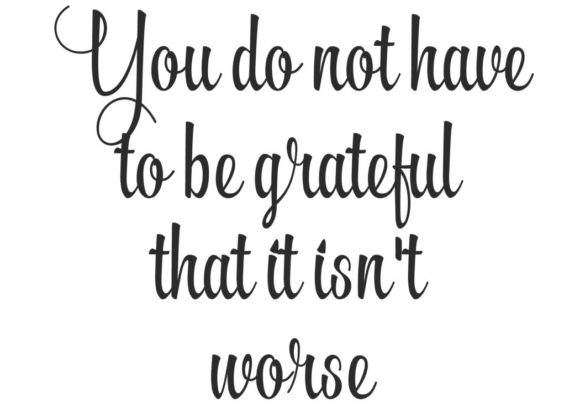
Do Not Have to Be Grateful Embroidery Review
A First Look at the Design
When I first saw Do Not Have to Be Grateful, it immediately caught my attention. The mood it conveys is bold and unapologetic, which makes it a strong candidate for personal or handmade projects that want to make a statement. The layout is clean but expressive, with a visual personality that feels both modern and relatable. It's not overly detailed, which is great for embroidery, as too much complexity can lead to stitching issues.
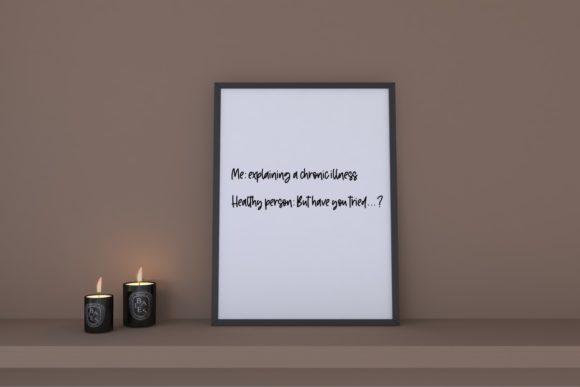
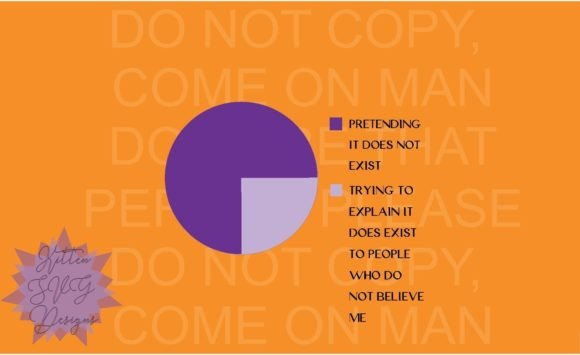
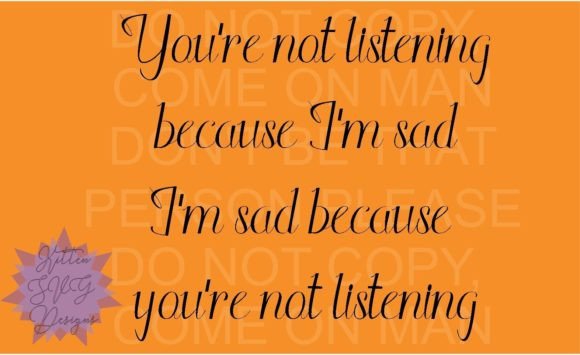
The theme of the design speaks directly to those who are dealing with chronic illness or simply feeling frustrated in daily life. This makes it a powerful choice for personalized gifts, especially when paired with meaningful messages or used on items like tote bags or sweatshirts.
Real-Life Use: A Custom Tote Bag Scenario
Imagine preparing a custom embroidered tote bag for a small shop or an Etsy listing. Do Not Have to Be Grateful would work beautifully as a central design element. Its clarity and simplicity allow it to stand out without overwhelming the fabric. I can see this design being stitched onto a canvas tote or even a denim bag, where its message is both visible and impactful.
For someone selling handmade products, this design could be a hit during the holiday season or as part of a curated collection focused on mental health awareness or self-expression. It’s also a great fit for baby items, though I’d recommend testing it on a scrap piece of fabric first to ensure the stitch density works well with softer fabrics.
Performance in Real Embroidery Projects
Do Not Have to Be Grateful performs well across various embroidery applications. On sweatshirts, t-shirts, and aprons, the design maintains its integrity and visual appeal. The use of negative space helps it look balanced and intentional, avoiding the cluttered feel that can happen with more intricate designs.
As a patch, it would be ideal for adding a touch of personality to jackets or backpacks. For pillow covers or tea towels, the design remains clear and readable, making it suitable for home decor or kitchen items. When using it for commercial embroidery, it's important to check how it looks against different fabric textures and colors, especially if you're planning to offer it as a digital embroidery file for others to use.
I'd suggest using a good stabilizer when working with stretchy or thin fabrics to maintain the sharpness of the design. If you're planning to use it on dark fabrics, checking the thread color contrast is essential for visibility.
Where to Use with Caution
While Do Not Have to Be Grateful is versatile, there are some scenarios where extra care should be taken. Small hoop sizes may challenge the detail level, so ensuring the design fits within the hoop without distortion is key. For curved surfaces like caps or hats, adjusting the placement and considering the curvature of the fabric will help avoid misalignment.
On layered garments or items that need frequent washing, it's important to test the durability of the stitches. Dense stitch areas might require additional reinforcement, especially if the finished product is intended for commercial sale or regular use.
Design Notes for Embroidery Professionals
Before committing to using Do Not Have to Be Grateful in a project, always test it on scrap fabric. Check how the stitch density interacts with the fabric texture and whether the thread colors provide enough contrast for readability. Reviewing the design in black and white mockups can also help identify any potential issues with detail clarity.
Confirm the hoop size required for the design and ensure your machine is compatible with the provided file format. If you're planning to sell finished items or digital embroidery files, double-check the licensing terms to avoid any legal complications. This is especially important for craft businesses or Etsy sellers looking to expand their product line with new design assets.
Whether you're creating handmade products for yourself or selling them through a small shop, Do Not Have to Be Grateful offers a unique way to express emotion and personality. Its straightforward yet meaningful approach makes it a valuable addition to any embroidery project that aims to resonate with its audience.
Final Thoughts
Do Not Have to Be Grateful is a compelling design that bridges personal expression with practical application. It’s a great choice for anyone looking to add a touch of authenticity and emotional depth to their embroidery work. As a designer, I appreciate how it balances simplicity with substance, making it a versatile option for a wide range of handmade products and creative endeavors.