Hearts Embroidery Design Review
A First Look at the Hearts Design
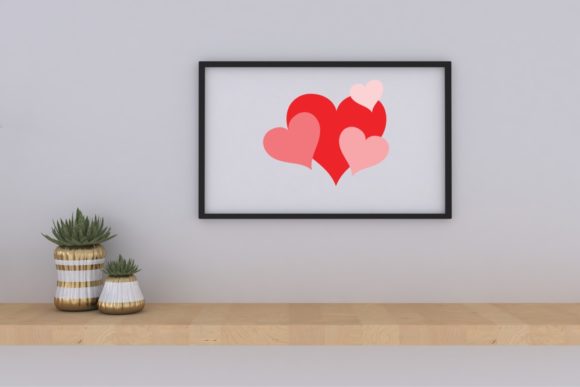
At first glance, Hearts feels like a design that's meant to be both personal and powerful. It carries a sense of warmth and vulnerability, which makes it perfect for those who want to express emotion through their embroidery work. The shape is classic, but the layout gives it a modern twist that can fit into many different contexts.
The theme of Hearts is simple yet effective. It’s not overly detailed, which means it can be adapted easily to various projects without losing its essence. The visual personality of this design leans toward being subtle and meaningful—ideal for custom apparel or handmade gifts where the message matters more than the complexity.
Real-Life Use: Creating a Custom Embroidered Tote Bag
Let’s imagine I’m preparing a custom embroidered tote bag for a small shop that specializes in personalized gifts. Hearts would be a natural choice for this project. Its clean lines and soft curves make it visually appealing on fabric, especially when stitched with contrasting thread colors.
When placed on a tote bag, Hearts doesn’t overwhelm the space. It draws attention without being too bold, which is great for customers who appreciate understated elegance. However, I’d need to consider the fabric texture and hoop size before stitching. A medium hoop would work best, and using a stabilizer would ensure the design holds up after multiple washes.
For a tote bag, I might use a satin stitch around the heart’s outline and fill the interior with a running stitch to add depth. This keeps the design from looking flat while maintaining clarity. Testing the design on scrap fabric first would help confirm how well the stitches flow and whether the thread colors stand out against the tote’s background.
Where Hearts Shines and Where It Needs Care
Hearts performs exceptionally well on larger surfaces such as sweatshirts, pillow covers, and aprons. It looks great on light-colored fabrics and can be enhanced with subtle shading to give it more dimension. When used on dark fabrics, choosing high-contrast thread colors becomes essential to maintain visibility.
However, there are situations where Hearts should be used carefully. For instance, if I were designing an embroidered patch for a cap or a baby onesie, I’d need to adjust the stitch density to avoid making the design too bulky. On stretchy or thin fabrics, proper stabilizer use is crucial to prevent distortion.
Also, if the design is going to be part of a commercial embroidery project, checking the licensing terms is important. As an embroidery designer, I always confirm whether the design is suitable for both personal and commercial use before finalizing any product.
Design Impact on Visual Appeal and Customer Perception
Hearts has a strong emotional appeal, which can significantly enhance the value of a handmade product. Whether it's a personalized gift or a boutique item, the design adds a layer of meaning that customers often respond to positively.
From a professional standpoint, the clarity of Hearts helps maintain a polished look across different embroidery projects. It’s versatile enough to be used in a wide range of applications—from holiday gifts to wedding favors—without compromising the quality of the finished product.
For Etsy sellers and craft business owners, incorporating Hearts into their product line can help build brand consistency and customer trust. The design’s simplicity also makes it easy to integrate into printable mockups or digital product previews, ensuring that buyers get a clear idea of what to expect.
Embroidery Designer Notes for Using Hearts
Before committing to using Hearts in any project, here are a few practical tips:
- Test on scrap fabric: Always test the design on a piece of fabric similar to your final product to see how the stitches behave.
- Check thread color contrast: Ensure the thread colors you choose will stand out on your chosen fabric.
- Review stitch density: Adjust the stitch count if needed to avoid overloading the fabric, especially on smaller items like caps or patches.
- Confirm hoop size: Make sure the hoop size you're using fits the design properly without stretching or distorting the image.
- Inspect small details: If the design includes intricate elements, check them closely to ensure they translate well when stitched.
- Use proper stabilizer: Especially important for stretchy or thin fabrics to keep the design from shifting during stitching.
- Check licensing: Before selling any finished products or digital versions, confirm that the design allows for commercial use.
Hearts is a solid addition to any embroidery designer’s toolkit. It offers flexibility, emotional resonance, and practicality, making it a valuable asset for both personal and commercial embroidery projects. With the right preparation and attention to detail, it can elevate the look and feel of any handmade product or custom apparel piece.