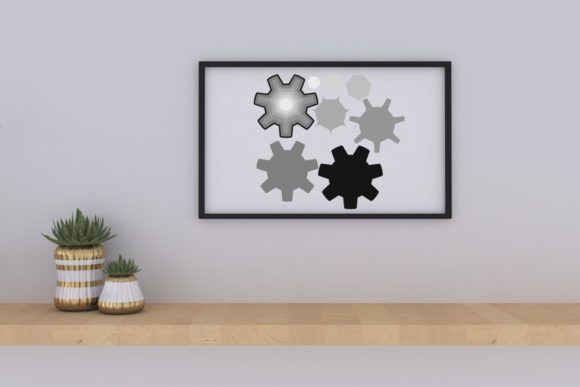
Layered Gear Embroidery Design Review
A First Look at Layered Gear
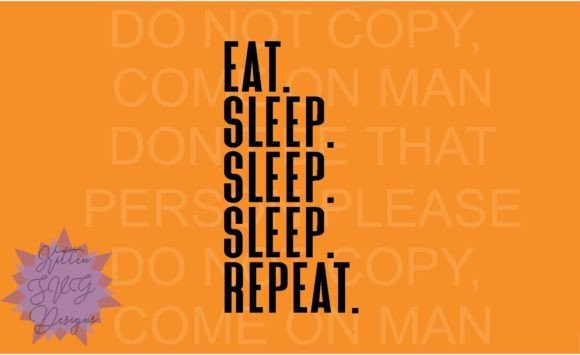
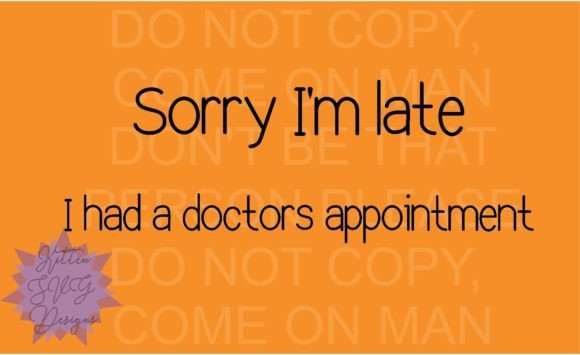
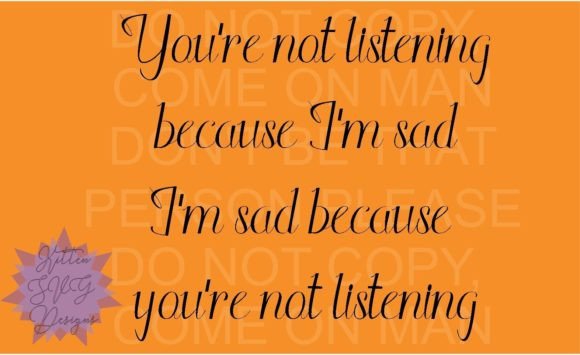
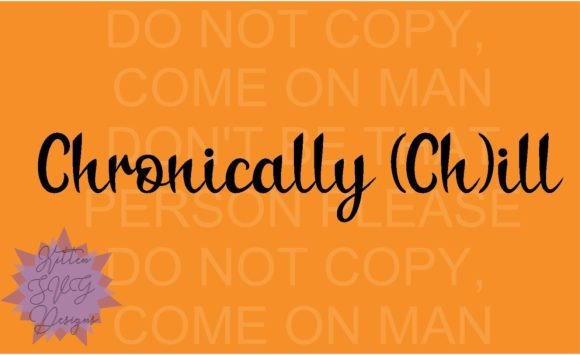
When I first opened the Layered Gear embroidery file, I was immediately drawn to its clean lines and intricate layering. The design feels like a celebration of papercrafting, with a subtle nod to the frustrations we all face in everyday life. It’s not overly complicated, but it carries enough detail to stand out on fabric without overwhelming it. The mood is modern yet approachable—perfect for a range of handmade products that need a touch of personality.
The layered structure gives it a three-dimensional quality that makes me think of how it would look stitched on a custom embroidered tote bag or even a sweatshirt. It has that balance between being decorative and functional, which is exactly what you want when designing for craft business items or Etsy seller listings.
How Layered Gear Performs in Real Projects
As an experienced designer, I know how crucial stitch clarity is for any machine embroidery design. Layered Gear uses a combination of satin stitch and fill stitch to create depth, which works well on most fabrics. I can see this design excelling on medium-weight cotton, especially for handmade product lines like apron embroidery, pillow covers, or even nursery decor.
For custom apparel projects, such as sweatshirt embroidery or cap designs, the design’s structure holds up well. However, I would recommend testing it on scrap fabric first to ensure the stitch density doesn’t cause puckering, especially on thin fabric or textured fabrics. This is particularly important if you plan to use it on layered garments or curved surfaces like hats.
If you're targeting holiday embroidery or wedding gift ideas, Layered Gear could be a great fit for personalized gifts or small shop product lines. Its versatility means it can work across multiple categories, from embroidered patch designs to digital embroidery files used in printable mockups.
Where to Use Layered Gear with Caution
While Layered Gear is a strong design, there are a few areas where it might require extra attention. For instance, using it on small hoop sizes could lead to some details getting lost, especially if you're working with tiny lettering or dense stitch areas. If you're planning to use it on dark fabric, make sure to check the thread color contrast to maintain visibility.
Also, be mindful of decorative accents and how they interact with fabrics that need frequent washing. Using the right stabilizer will help preserve the integrity of the design over time. This is especially important for commercial embroidery projects or craft fair products that require durability.
Design Notes for Embroidery Professionals
Before committing to using Layered Gear in your next project, here are a few practical steps to consider:
- Test the design on scrap fabric to see how it behaves with different thread colors and fabric types.
- Check stitch density to avoid issues with puckering or fabric distortion.
- Confirm hoop size requirements and ensure your machine can handle the design's complexity.
- Inspect small details to ensure they translate well to fabric, especially if you’re planning to use it for baby embroidery or personalized gifts.
- Use black and white mockups to visualize how the design will look on different backgrounds.
- Review fabric texture compatibility before finalizing your project.
- Ensure proper licensing is in place before selling finished items or digital versions of the design.
These steps will help ensure that Layered Gear maintains its visual appeal and stitching clarity, whether you're creating handmade product lines or small shop merchandise.
Final Thoughts on Layered Gear
Layered Gear is a versatile and visually appealing embroidery file that can elevate a wide range of embroidery project ideas. Its layered construction adds depth without complexity, making it a solid choice for both personal use and commercial design assets.
Whether you're an apparel decorator, crafts enthusiast, or digital product seller, this design offers a unique way to express creativity while maintaining professionalism. Just remember to test it thoroughly and adapt it to your specific needs for the best results.