Not Perfect but Real Embroidery Design Review
A First Look at the Mood and Theme
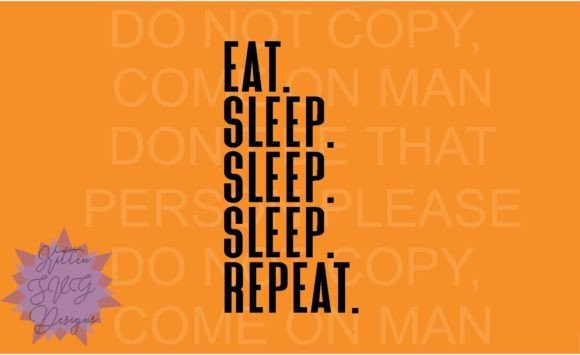
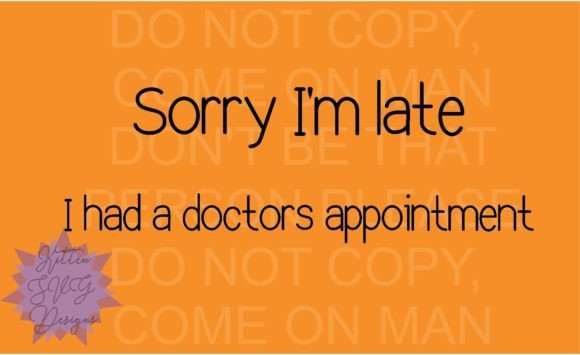
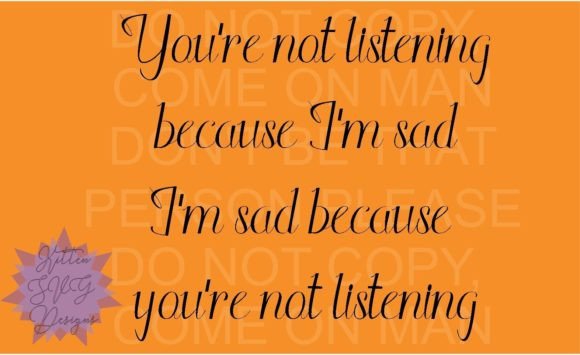
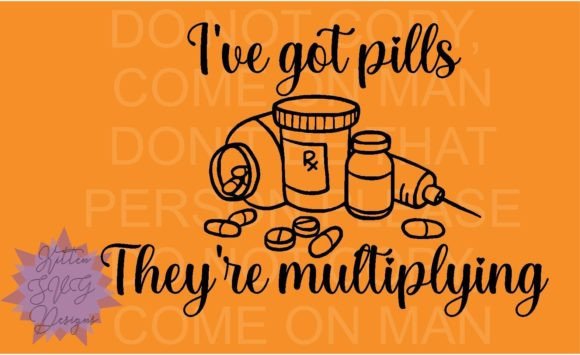
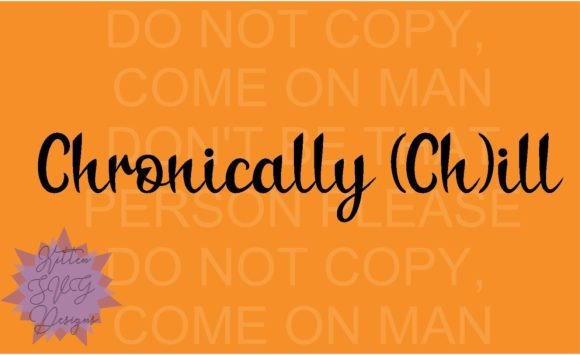
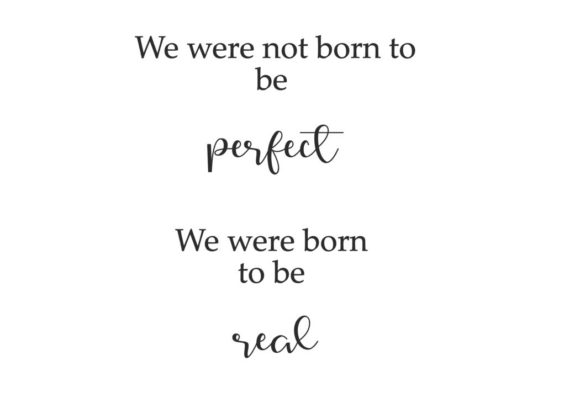
When I first opened Not Perfect but Real, I was struck by its raw, honest aesthetic. The design feels like a candid expression of frustration and resilience—perfect for those who want to turn their chronic illness journey into art. Its layout is simple yet impactful, with a visual personality that’s both relatable and emotionally resonant.
The image doesn’t shy away from imperfection, which makes it ideal for personal projects or handmade products that aim to communicate authenticity. It’s not overly detailed, which is great for those looking for a subtle yet meaningful embroidery design. The theme aligns well with creative outlets that celebrate vulnerability, making it a natural fit for personalized gifts or boutique branding.
Real-Life Use: Custom Embroidered Tote Bag Scenario
Let’s imagine using Not Perfect but Real in a custom embroidered tote bag. As someone who often designs for small businesses and Etsy sellers, I can see this design working beautifully on a canvas tote. The message it conveys would resonate with customers who value realness and emotional depth in their purchases.
However, I’d be cautious about using it on smaller items like caps or patches where the detail might get lost. The design has enough visual weight to stand out on larger surfaces, like a tote bag or sweatshirt, but it may require some adjustments when scaled down. Testing it on scrap fabric first would be a good idea to ensure the stitch density and thread colors work well together.
If you're an Etsy seller or craft business owner, this could be a unique addition to your product line, especially if you’re targeting niche markets interested in mental health awareness or personal storytelling through crafts.
Embroidery Performance in Different Projects
Not Perfect but Real performs well in most common embroidery applications, including custom apparel, sweatshirts, tote bags, and even nursery decor. The clean lines and bold shapes make it suitable for both handmade products and commercial embroidery.
For holiday gifts or personalized gifts, the design adds a layer of meaning that can elevate the finished product. It works particularly well on pillow covers, tea towels, and blankets, where the imagery can be more prominent and appreciated.
On the flip side, I’d advise against using it on curved surfaces like caps or thin fabrics without proper stabilizer support. The design also needs careful consideration when used on dark fabric backgrounds, as thread color contrast becomes crucial for visibility.
Design Notes for Embroidery Professionals
If you're planning to use Not Perfect but Real in your next project, here are a few practical tips:
- Test on scrap fabric first to check how the stitches look and feel.
- Check thread color contrast against different fabric types—especially dark ones.
- Review stitch density to ensure it won’t cause puckering or fabric strain.
- Confirm hoop size before starting, as this will affect how the design is positioned and stitched.
- Inspect small details for clarity, especially if you plan to scale the design up or down.
- Use black and white mockups to evaluate how the design translates under different lighting conditions.
- Compare light and dark fabric backgrounds to maintain visual appeal across all products.
- Use proper stabilizer to prevent shifting, especially on stretchy or textured fabrics.
- Check licensing terms before selling any finished products or digital assets derived from this design.
As a designer, I recommend keeping Not Perfect but Real in your portfolio for personalized gifts or small shop products. It’s not perfect—but that’s exactly what makes it real, and that’s what your customers might appreciate most.
Final Thoughts on Value and Presentation
Not Perfect but Real brings a sense of honesty and emotional connection to any embroidery project. Whether you're creating a handmade product for a client or a printable mockup for your craft business, this design has the potential to enhance the story behind your work.
It’s important to consider the context and fabric choice to ensure the final finished product looks as intended. When used thoughtfully, Not Perfect but Real can add depth, character, and a touch of authenticity to your embroidery designs—making it a valuable asset for anyone in the crafts and graphics space who values real, human expression in their work.