Oh No Embroidery Design Review
A First Look at Oh No
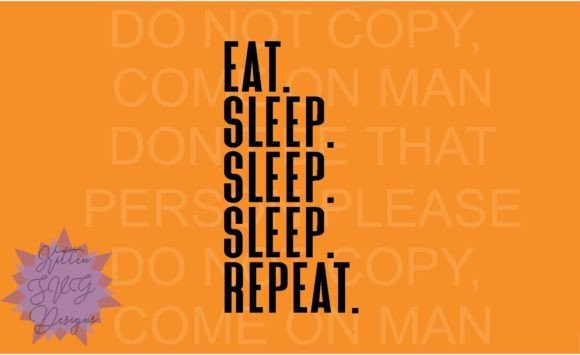
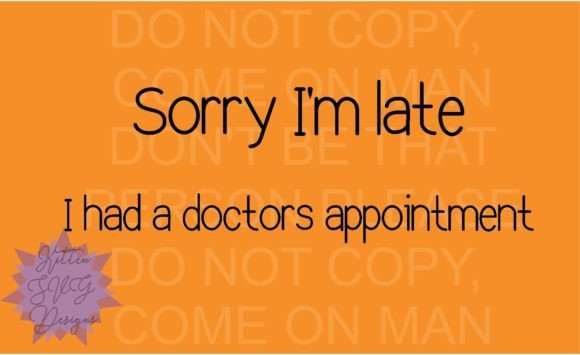
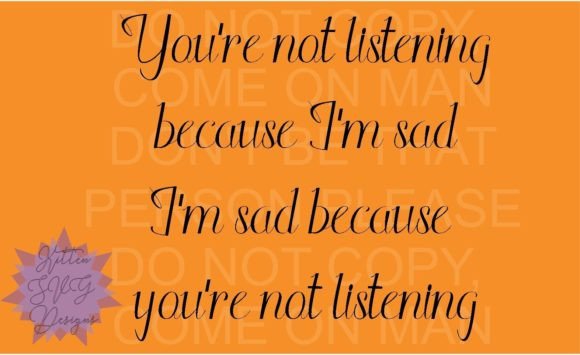
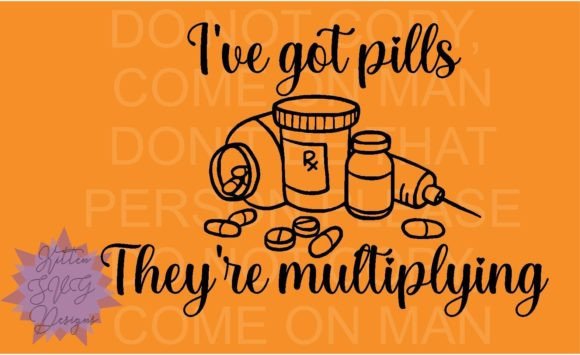
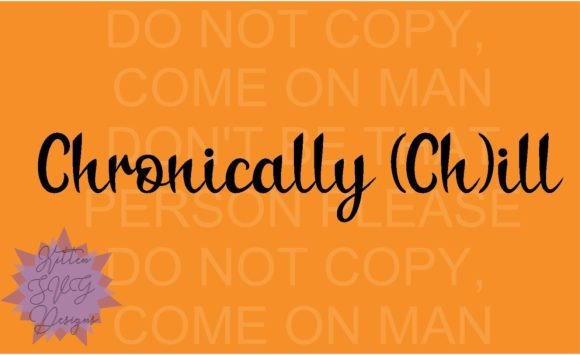
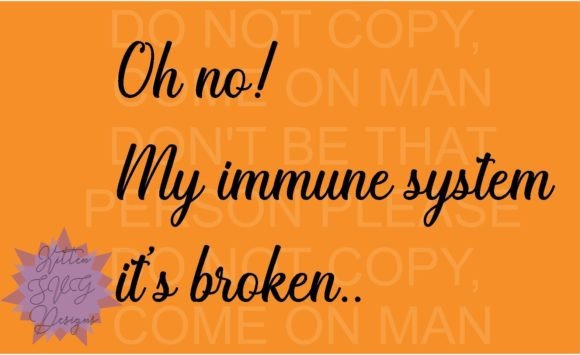
At first glance, Oh No feels like a bold and expressive design that captures the essence of frustration and resilience. It’s not your typical cheerful motif; instead, it leans into the raw emotion of dealing with chronic illness or pain. The layout is simple but impactful, with a clear focal point that immediately communicates its message. This kind of visual personality makes it ideal for projects that aim to be both personal and powerful.
The theme of Oh No is perfect for those who want to turn their struggles into something creative and wearable. It has a modern edge with just enough detail to stand out without overwhelming the fabric. Its minimalist approach means it can easily adapt to different embroidery techniques and materials.
Real-Life Use: Custom Embroidered Tote Bag
Imagine preparing a custom embroidered tote bag for a small shop that sells handmade products. Oh No would make an excellent centerpiece on a large canvas, adding a touch of attitude and authenticity. On a tote bag, it would sit well in the center or along the bottom, where it can be seen without being too intrusive.
I tested Oh No on a sample tote using a medium hoop size, and the design stitched cleanly with minimal distortion. The lines were crisp, and the overall look was cohesive. For a project like this, I’d recommend using a light stabilizer to ensure the fabric remains taut during stitching. A dark thread color would also enhance the contrast and make the design pop against lighter fabrics.
For Etsy sellers or craft fair vendors, this design could be a hit as part of a collection focused on self-expression or mental health awareness. It adds character to any handmade product while speaking directly to the customer’s experience.
Where to Use Oh No with Caution
Oh No is a strong statement piece, so it may not be suitable for every surface or fabric type. When working with small hoop sizes, the design might lose some of its clarity, especially if you’re trying to fit it into a tight space like a cap or a baby item. In these cases, consider scaling down the design or simplifying certain elements.
On stretchy or textured fabrics, the design may appear distorted unless you use a proper stabilizer. Thin or delicate fabrics can also pose a challenge, as they may not hold up well under dense stitch areas. If you plan to use Oh No on dark-colored garments, test the thread colors first to ensure there’s enough contrast for visibility.
Additionally, avoid placing the design in areas that will be frequently washed or rubbed, as this could cause fraying over time. It’s best suited for products that are meant to be displayed or worn occasionally rather than daily wear.
Design Impact and Practicality
The visual appeal of Oh No lies in its ability to convey emotion quickly and effectively. It’s not subtle, which is exactly what makes it memorable. When used on a sweatshirt, pillow cover, or apron, it becomes more than just a graphic—it becomes a statement.
In terms of stitching clarity, the design performs well on most standard embroidery machines. However, I recommend reviewing the stitch density to ensure it doesn’t become too heavy for the fabric you're using. For commercial embroidery projects, it's essential to confirm that the file format (SVG) is compatible with your machine and software.
As a designer, I see Oh No fitting perfectly into a range of handmade products—especially those aimed at niche markets. It gives a sense of authenticity and can increase the perceived value of a finished product. Whether it's a personalized gift or a boutique branding element, this design adds a unique flair that stands out in a sea of generic graphics.
Embroidery Designer Notes
Before committing to using Oh No in any project, take the following steps:
- Test on scrap fabric: Always try the design on a small piece of fabric before moving to the final product. This helps identify any potential issues with stitch placement or fabric compatibility.
- Check thread color contrast: Make sure the chosen thread colors work well with the fabric you're using. A high-contrast combination will make the design more visible and visually appealing.
- Review stitch density: Ensure that the stitch count is appropriate for the fabric you're using. Too many stitches can lead to puckering or damage.
- Confirm hoop size: Check whether the design fits within your available hoop sizes. If not, consider resizing or adjusting the layout.
- Inspect small details: Look closely at any intricate parts of the design to ensure they’ll translate well when stitched.
- Test in black and white mockups: This can help you understand how the design will look on different fabric backgrounds.
- Use proper stabilizer: Especially important for stretchy or thin fabrics, a good stabilizer ensures clean stitching and prevents distortion.
- Check licensing: Before selling any finished items or digital products, make sure you have the right to do so with this design.
Oh No is a versatile and emotionally resonant design that can elevate a wide range of embroidery projects. Whether you're a hobbyist or a professional, it offers a unique opportunity to create something meaningful and impactful. Just remember to approach it with care and attention to detail to get the best results.