Ugh: A Design for Chronic Illness Expression
First Impressions of Ugh
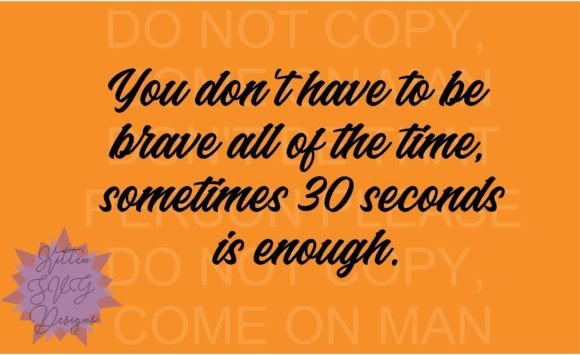
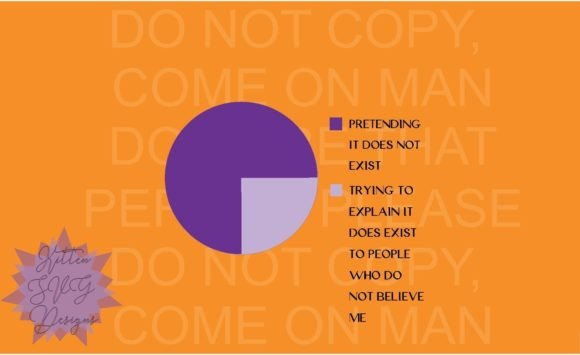
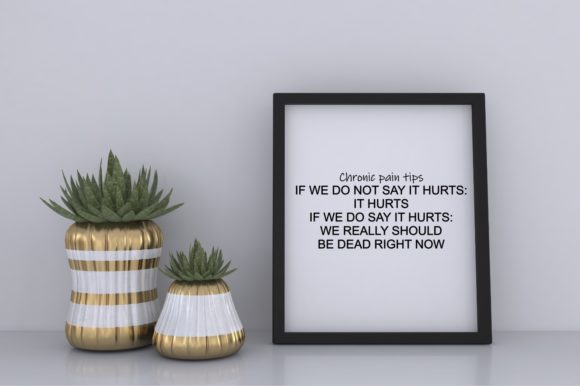
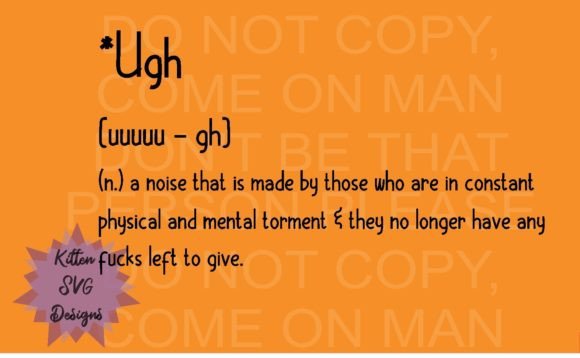
At first glance, Ugh feels like a raw, unfiltered expression of frustration and fatigue. The design’s visual language is bold, with angular lines and a minimalist approach that captures the essence of chronic illness without being overly literal. It’s not a cheerful motif, but it carries a sense of authenticity that could resonate deeply with those who live with ongoing pain or health challenges.
The layout is simple yet impactful, making it feel versatile for various embroidery applications. Its theme leans into emotional honesty, which makes it a good fit for personalized gifts, handmade products, or even boutique branding that values realness over traditional aesthetics.
Real-Life Scenario: Embroidering a Tote Bag
Let’s imagine using Ugh on a custom embroidered tote bag. This is a common project for crafters, Etsy sellers, and small shop owners looking to create meaningful, conversation-starting items. When I envision stitching this design onto canvas or cotton fabric, I see a strong visual presence that would stand out against neutral tones.
The design's clarity is a plus—it doesn’t get lost in busy patterns or intricate details. However, I can see how it might be overwhelming on smaller items like patches or caps. For a tote bag, though, its size and structure work well. The message it conveys is clear, and the stitching should translate smoothly across different materials, especially when using a proper stabilizer.
For someone creating handmade products or selling on platforms like Etsy, Ugh has potential as a niche design that speaks to a specific audience. It’s not something you’d use for every customer, but it could be a powerful addition to a curated collection of expressive, emotionally resonant designs.
Embroidery Performance in Real Projects
Ugh seems to perform well in projects where the goal is to make a statement. It works particularly well for custom apparel, such as sweatshirts, t-shirts, and even baby clothes—though I’d advise caution with very young audiences due to its tone. On tote bags, pillow covers, or kitchen towels, it adds a layer of personality that customers might find refreshing or relatable.
In commercial embroidery settings, the design holds up well in terms of stitch clarity and visual appeal. If used on aprons or nursery decor, it could serve as a subtle reminder of resilience or a way to express personal struggles in a stylish manner. As a digital embroidery file, it’s likely compatible with most machines, but I recommend checking the provided SVG file for any specifics on stitch density or hoop size requirements.
One thing to consider is how Ugh interacts with different thread colors. Since the design is minimal, choosing high-contrast threads will help it pop on dark fabrics. Conversely, on light-colored materials, it may need a bit more detail or texture to maintain its impact.
Where to Use Ugh with Caution
While Ugh is a strong design, there are certain situations where it might not shine as brightly. For example, on small hoop sizes or textured fabrics, the design’s simplicity might get lost or distorted. It’s also not ideal for thin fabric or stretchy materials unless paired with a good stabilizer.
Projects involving curved surfaces like caps or hats may require some adjustments to ensure the design remains intact and visually consistent. Additionally, if you plan to use Ugh on layered garments or items that need frequent washing, it’s worth testing it on scrap fabric first to check for durability and colorfastness.
Design Notes for Embroidery Professionals
If you're considering using Ugh in your craft business or as part of your design assets, here are a few practical tips:
- Test on scrap fabric before committing to a finished product. This helps identify any issues with stitch density or thread visibility.
- Check thread color contrast to ensure the design stands out on your chosen fabric.
- Review the stitch density in the SVG file to confirm it’s suitable for your machine and fabric type.
- Confirm hoop size requirements to avoid any surprises during the embroidery process.
- Inspect small details in the design to ensure they translate well under the needle.
- Test in black and white mockups to see how the design looks on different backgrounds.
- Use proper stabilizer to prevent puckering or distortion, especially on stretchy or thin materials.
- Check licensing before selling finished items or digital products to ensure you’re allowed to use the design commercially.
Ugh is a design that deserves thoughtful consideration. While it may not be for every project, it has a unique voice that can add depth and meaning to the right handmade product or commercial item. Whether you're an Etsy seller, apparel decorator, or creative entrepreneur, this design offers a chance to connect with customers on a deeper level through honest, expressive artistry.